

Industrial Fluid Metrology and High-Volume Distribution Benchmarks
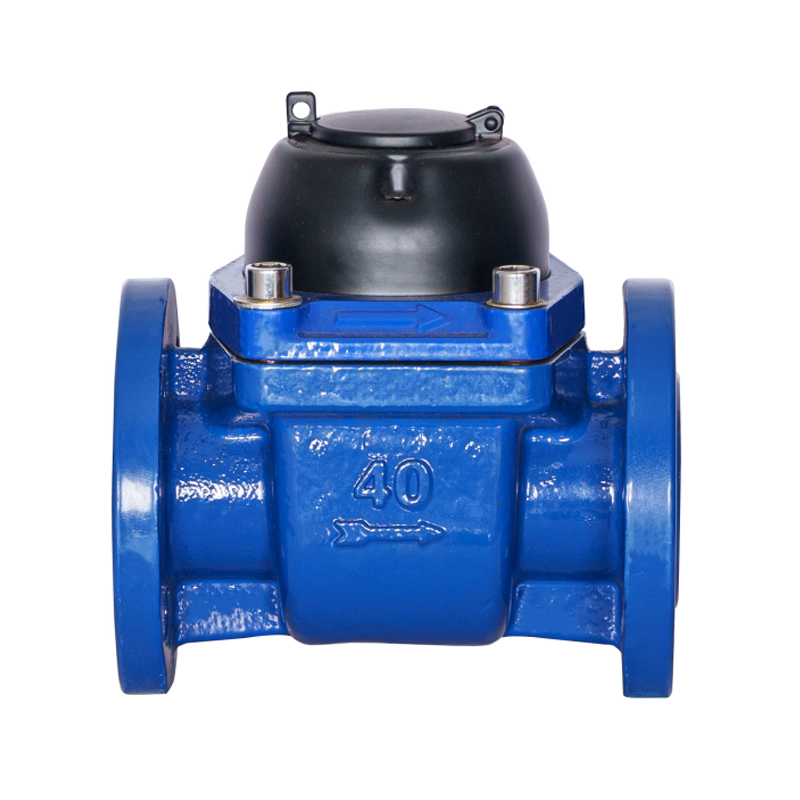
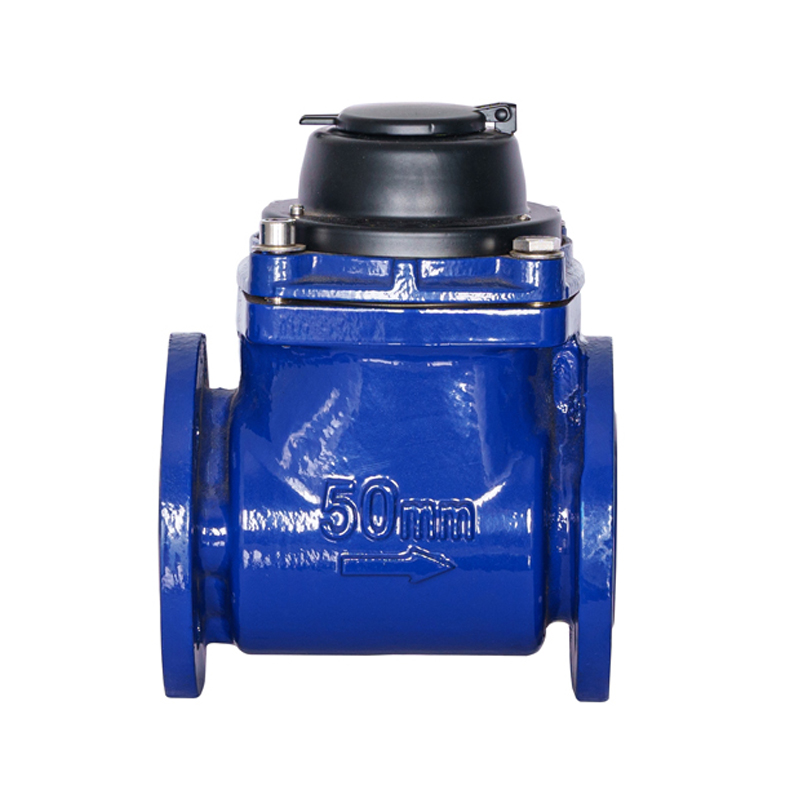
The WPH horizontal spiral wing water meter is a heavy-duty Woltman-type bulk flow measurement instrument designed specifically to monitor high-volume water distribution networks, industrial processing loops, and municipal intake pipelines under continuous hydraulic loads with minimal pressure loss. Operating via a parallel axial turbine configuration, this industrial metrology instrument utilizes a horizontally mounted helical rotor that intersects the liquid stream. By translating the kinetic energy of linear fluid movement into rotational velocity via magnetic coupling transmissions, the system records large-scale volumetric consumption figures with a high level of accuracy across expanded flow ranges up to 1000 cubic meters per hour or greater, depending on the nominal diameter of the pipeline interface.
In the engineering management of municipal utility infrastructure and heavy manufacturing plants, managing fluid distribution systems requires balancing measurement accuracy against network pressure maintenance. Standard multi-jet or rotary piston water meters are poorly suited for mainline transmission grids; their internal baffling mechanisms and tight physical clearances create substantial flow restriction and high friction loss, which artificially jacks up the pumping energy requirements of the grid. A dedicated WPH horizontal spiral wing water meter resolves this operational bottleneck by presenting an unrestricted, straight-through internal flow chamber. The streamlined profile of the helical wing rotor allows suspended particulate solids to pass through without jamming the gears, making it an incredibly durable choice for raw water intake and untreated agricultural irrigation lines.
The mechanical architecture of these Woltman-class instruments combines advanced hydrodynamic design, material science, and clean electronic data transmission. Modern iterations separate the wet hydraulic measuring cell from the dry register dial through a high-coercivity magnetic drive coupling. This separation prevents mineral scale deposits, grit infiltration, and moisture condensation from clouding or damaging the counter mechanism. Furthermore, the integration of reed switches, optoelectronic sensors, and IoT telemetry modules transforms these traditional mechanical meters into active data nodes within modern smart utility grids, providing real-time flow analytics and enabling automated leak detection protocols.
Hydrodynamic Design and Mechanical Kinetics of the Helical Rotor
The accurate measurement performance of a WPH water meter is rooted in fluid mechanics and structural geometry. The internal measuring mechanism relies on the relationship between liquid velocity and rotor rotation speed under varying flow conditions.
Axial Fluid Dynamics and Pitch Matrix Engineering
As pressurized water enters the meter's inlet, it passes through an integrated flow straightener. This structure converts turbulent, swirling fluid motion into a stabilized, laminar axial flow stream that moves parallel to the pipe center line. This straightened fluid then strikes the helical blades of the horizontal spiral wing rotor. The geometric angle—or pitch matrix—of these blades is calculated so that the linear velocity of the water yields a directly proportional rotational velocity of the rotor assembly.
To achieve high sensitivity at low flow rates without creating mechanical drag at peak capacity, the rotor is molded from lightweight, hydrodynamically balanced engineering polymers like Polyoxymethylene (POM) or glass-filled Polyphenylene Ether (PPE). These materials possess a specific gravity close to 1.0, meaning the rotor practically floats within the water column. This buoyancy minimizes the downward force exerted on the horizontal sapphire bearings, lowering the startup flow threshold and maintaining measurement accuracy down to the meter's minimum flow limit.
Magnetic Coupling Transmission Principles
The rotational force generated by the submerged rotor must be transmitted out of the pressurized cast-iron housing to the dry, sealed register mechanism. This is accomplished using a multi-pole magnetic drive system. A ring of high-grade permanent magnets, typically formulated from Neodymium Iron Boron (NdFeB) or Samarium Cobalt (SmCo), is mounted inside the hub of the rotor shaft.
Directly opposing this wet magnet ring, across a solid non-magnetic stainless steel or polymer sealing plate, sits a matching ring of magnets connected to the primary gear train of the dry register. As the rotor turns, the magnetic flux lines bridge the sealing plate, locking the inner and outer magnet rings together. This magnetic connection ensures that the register gears rotate in perfect synchronization with the rotor, eliminating the need for physical packing seals or stuffing boxes that eventually degrade and leak.
Metallurgical Formulations and Structural Enclosure Specifications
Because WPH bulk water meters are directly bolted between high-pressure pipeline flanges, the main body housing must serve as a rugged pressure vessel. The foundry processes and metallurgical standards used to cast the outer body must eliminate the risk of structural failure from hydraulic pressure surges or external pipe piping stresses.
The standard material specified for municipal and industrial water distribution lines is Ductile Iron (EN-GJS-400-15 or ASTM A536 Grade 65-45-12). Unlike traditional brittle gray cast iron, ductile iron is treated with a magnesium additive during the melting process. This treatment causes the graphite to form spherical nodules rather than sharp flakes. This nodular structure gives the metal superior tensile strength up to 400 MPa and an elongation capability of 15%, allowing the meter housing to withstand sudden water hammer spikes up to PN25 or PN40 pressure classes without fracturing.
To prevent internal oxidation and the accumulation of rust scale that could disturb the calibrated flow path over time, the raw ductile iron castings go through an intensive fluid bed coating process:
- The iron castings undergo abrasive grit blasting to achieve a clean profile in compliance with ISO 8501-1 Sa 2.5 standards.
- The clean castings are preheated in an industrial oven to a uniform core temperature of 200°C to 220°C.
- The heated bodies are submerged into a fluidized bed of electrostatically charged, non-toxic epoxy powder coating material for a duration of 4.5 seconds.
- The epoxy particles melt and fuse onto the iron surface, forming a continuous, pinhole-free protective shell with a minimum dry film thickness of 250 that resists chemical corrosion from aggressive soil chemistries and treated industrial effluent fluids.
Metrological Classifications and Hydrodynamic Measuring Ranges
The calibration and performance criteria of WPH water meters are regulated under international standards like ISO 4064 and OIML R49. These standards establish distinct flow rate thresholds that define the meter's metrological accuracy profile.
The measurement spectrum is split into four distinct operating points: the minimum flow rate , transitional flow rate , permanent continuous flow rate (), and overloaded maximum flow rate . The ratio between the permanent and minimum flow rates defines the overall metrological dynamic range, expressed as the **R-value**. A higher R-value indicates superior low-flow detection capabilities, which allows the utility to capture revenue from slow pipe leaks or low-demand night periods that might otherwise bypass the meter unrecorded.
Within the primary upper measurement zone—extending from the transitional flow rate up to the peak overload limit —the permissible error margin for cold potable water is restricted to ±2%. In the lower accuracy zone , where flow rates slide toward laminar drop movement, the maximum allowable error margin widens to ±5%. Maintaining these tight limits requires factory calibration technicians to mechanically fine-tune the internal regulator vane before sealing the meter assembly for shipment.
Operational Performance Profiles Across Nominal Metric Diameters
Engineering teams select WPH water meters based on the pipeline's operational volumetric parameters rather than simply matching existing pipe diameters. The table below outlines the hydrodynamic flow profiles of standard industrial WPH meters configured with an R100 metrological accuracy ratio.
| Nominal Bore Diameter (DN) | Permanent Flow Rate | Overload Flow Rate | Transitional Flow Rate | Minimum Startup Flow Threshold |
|---|---|---|---|---|
| DN 50 (2-Inch Line) | 40 | 50 | 0.64 | 0.15 |
| DN 80 (3-Inch Line) | 63 | 78.75 | 1.01 | 0.22 |
| DN 100 (4-Inch Line) | 100 | 125 | 1.60 | 0.30 |
| DN 150 (6-Inch Line) | 250 | 312.5 | 4.00 | 0.80 |
| DN 200 (8-Inch Line) | 400 | 500 | 6.40 | 1.20 |
The capacity metrics demonstrate that as the nominal size increases to DN 150 or DN 200, the WPH parallel turbine design can manage huge continuous flow volumes up to 400 cubic meters per hour. Crucially, the straight-through internal chamber means the pressure drop across the entire meter at maximum continuous flow () is kept under 0.1 bar, preserving the hydraulic energy of the distribution grid.
Smart Telemetry Systems and Automated AMR/AMI Integration
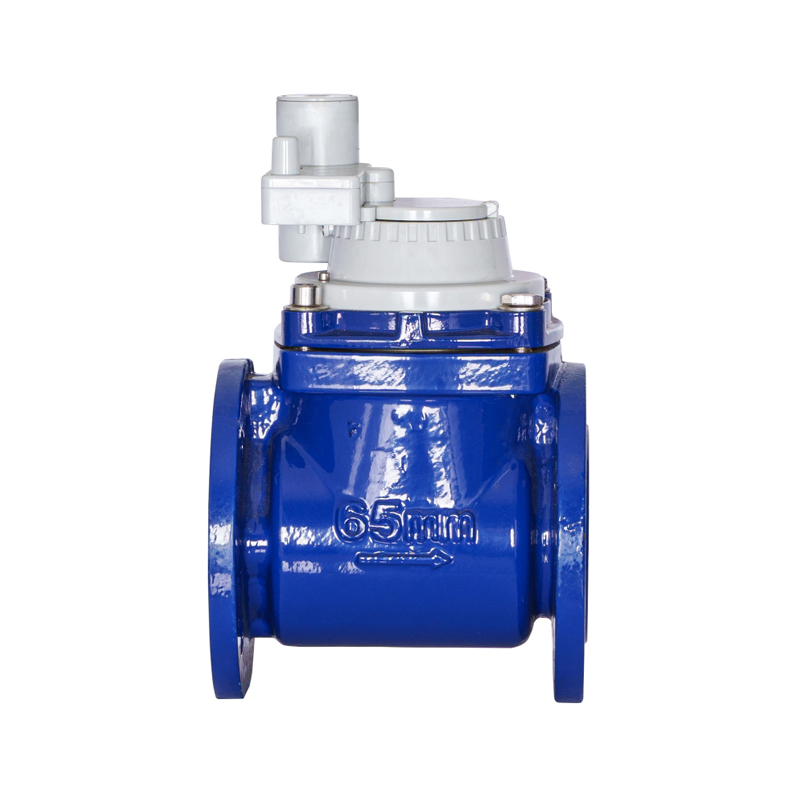
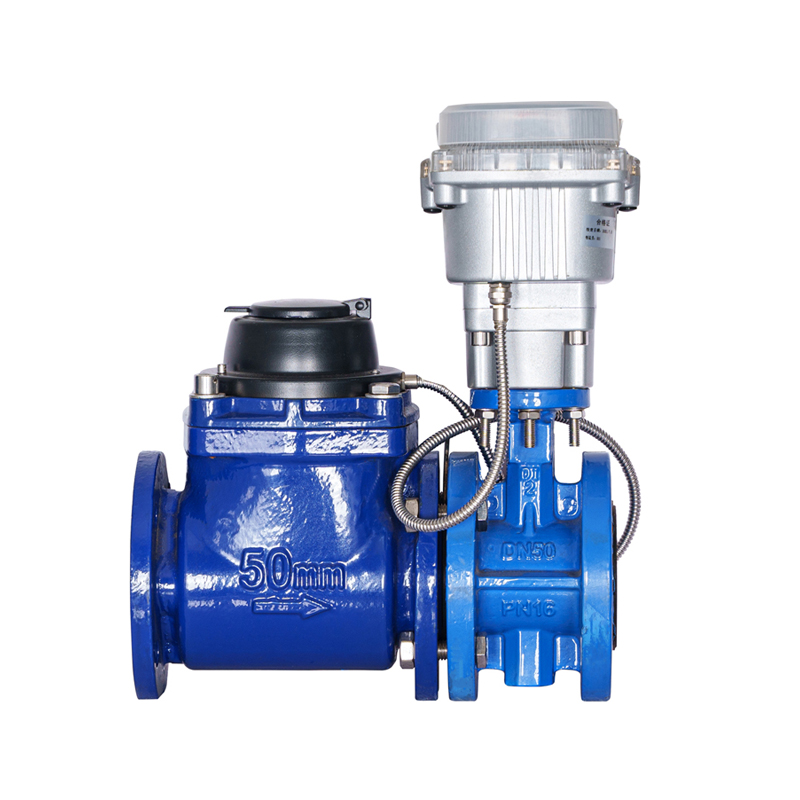
To support modern automated infrastructure programs, the pure mechanical counter assembly of the WPH water meter can be upgraded with advanced electronic pulse transmitters and low-power IoT telemetry modules. This conversion bridges mechanical water measurement with automated grid analytics.
Pulse Output and Reed Switch Technology
The baseline method for digital integration utilizes a dry-contact reed switch assembly or a solid-state Hall effect sensor mounted over the lower register wheels. A tiny magnet is embedded directly into the rim of the lowest-order visible odometer wheel (such as the 100-liter or 1000-liter pointer disc).
Each time the targeted volume completes a full cycle, the magnet passes beneath the sensor, closing an electrical circuit and sending a digital pulse down an attached cable to a localized data logger. This setup provides simple automated data collection without requiring a complete redesign of the mechanical core.
Advanced IoT Communication Frameworks
For comprehensive Advanced Metering Infrastructure (AMI) setups, the pulse lines feed into an integrated electronic register equipped with microprocessor controls and wireless radio transceivers. These smart registers format the consumption data into standard telemetry protocols like Wireless M-Bus, LoRaWAN, or NB-IoT (Narrowband Internet of Things).
Operating on long-life lithium-thionyl chloride batteries that provide up to 10 to 15 years of field autonomy, these smart modules transmit hourly or daily volumetric logs back to central utility management servers. This data stream allows engineers to run remote water balance audits across the grid, spotting pipeline bursts or unauthorized unmetered consumption instantly.
Engineering Installation Requirements and Flow Distortion Mitigation
While WPH meters feature a robust internal design, their measurement accuracy can be compromised by severe turbulence or asymmetric flow velocity profiles inside the pipeline. Achieving a stable, calibrated installation requires following strict layout geometries.
Phase 1: Upstream Straight Pipe Run Configuration
When fluid travels through piping bends, T-junctions, pressure-reducing valves, or centrifugal pumps, the water stream develops a swirling, non-uniform velocity profile. If this chaotic flow hits the helical rotor directly, it changes the rotor's rotational velocity, leading to significant reading errors. To isolate the measuring cell from these distortions, installers must provide a straight section of unobstructed pipe upstream from the meter inlet. Under standard U10 specifications, this straight run must have a length equal to at least 10 times the nominal diameter (10x DN) of the pipe.
Phase 2: Downstream Straight Pipe Run Configuration
Similarly, flow restrictions located directly behind the meter can create localized backpressure waves that travel upstream and disturb the rotor kinetics. To prevent this, installers must maintain a clear, straight section of pipe on the discharge side of the flange. Following D5 installation metrics, this downstream section must have a length equal to at least 5 times the nominal diameter (5x DN) before any valves, elbows, or pipe expansions are introduced.
Phase 3: Pipeline Flushing and Air Elimination Protocols
Before clamping the meter insert into the main line, field technicians must follow a structured initialization protocol:
- Flush the newly fabricated pipeline section at high velocity through a temporary bypass line to clear away welding slag, stones, and dirt that could chip or jam the polymer rotor blades.
- Install an upward-venting automatic air release valve at the highest point of the upstream line to purge trapped air pockets from the system.
- Slowly crack open the main isolation gate valve to fill the meter body with water, ensuring the internal chamber remains completely filled with liquid during operation, as air pockets passing through the turbine can spin the rotor to unsafe speeds and cause severe gear wear.
Phase 4: Gasket Alignment and Concentric Sealing
During the final flange assembly, technicians must ensure the elastomeric sealing gaskets are aligned concentrically with the inner pipe diameter. If a gasket is clamped off-center, a portion of the rubber lip will protrude into the water flow path. This protrusion creates an artificial jetting effect that alters the velocity distribution across the horizontal spiral wing rotor, invalidating the factory calibration and leading to reading errors. High-tensile flange bolts should be tightened in a cross-pattern sequence using a calibrated torque wrench to ensure even sealing pressure across the entire joint face.
Field Maintenance Protocols and Metrological Recalibration Schedules
Industrial WPH meters are long-term capital assets that often remain in service for up to a decade. Over extended deployment windows, waterborne grit can wear down the sapphire pivot bearings, or mineral scaling can accumulate on the internal flow straightener, causing the meter's accuracy profile to slowly drift downward.
To minimize the logistical headaches of field service, premium WPH meters utilize a removable metrological insert architecture. The entire measuring assembly—including the flow straightener, helical rotor, horizontal bearings, sealing plate, and register dial—is integrated into a modular core cartridge. This cartridge can be unbolted and lifted out through the top cover plate without disconnecting the main cast-iron body from the pipeline flanges. Field teams can swap a worn measuring insert for a freshly calibrated backup capsule in under 30 minutes, drastically cutting downtime for industrial processes.
Municipal and industrial regulations typically require bulk water meters to undergo formal verification and recalibration every 3 to 5 years. This quality control process utilizes a mobile gravimetric master-meter test rig or an authorized laboratory flow calibration bench. The meter is subjected to verification runs at , , and flow rates. Technicians can adjust the registration ratio using a set of fine calibration gears inside the dry register, or by adjusting an external calibration screw that alters the angle of the regulating vane inside the inlet chamber, tuning the meter back to its original accuracy profile before certifying it for another multi-year service cycle.